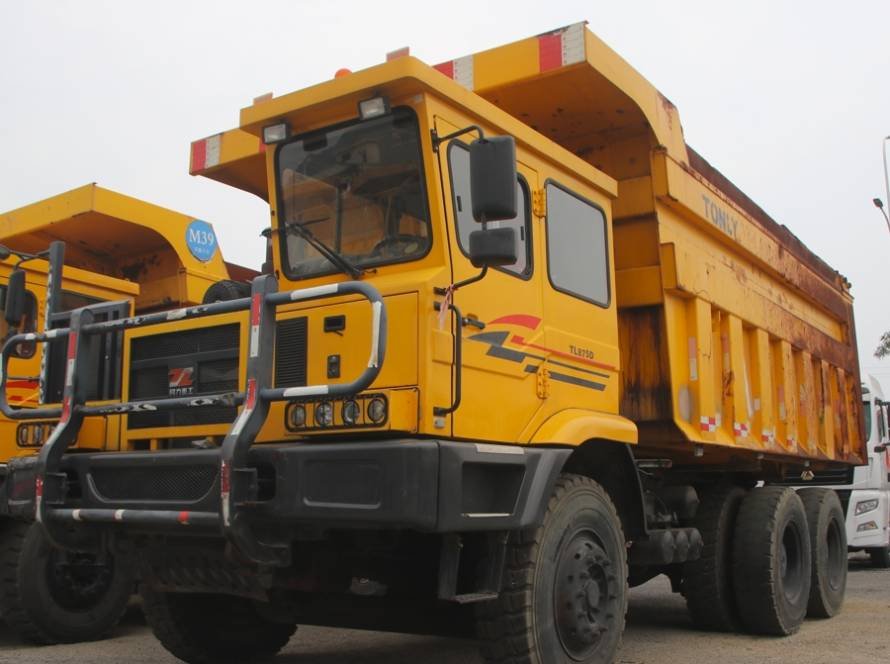
When buying a used tractor truck, choosing the right axle configuration is an important decision. Among the available options, 4×2 and 6×4 tractor trucks are two common configurations used in commercial transportation. Although both can be used for freight operations, they differ in axle arrangement, traction, load distribution, and suitability for different working conditions.
For transport companies, fleet operators, and international buyers, understanding these differences can help avoid purchasing a truck that does not match actual operating requirements. So, should you choose a used 4×2 tractor truck or a used 6×4 tractor truck? The answer depends on your business, road conditions, and transportation tasks.
Understanding the Difference Between 4×2 and 6×4
The main difference between 4×2 and 6×4 tractor trucks is the number of wheels and driven axles.
A 4×2 tractor truck typically has two axles and four wheel positions, with one axle providing drive power. The other axle is used for steering. This configuration is commonly found in general freight transportation and operations where road conditions are relatively stable.
A 6×4 tractor truck usually has three axles and six wheel positions, with two rear axles providing drive power. Having two driven axles can improve traction and distribute vehicle weight across more axles.
When comparing used 4×2 and 6×4 tractor trucks for sale, buyers should understand that the difference is not simply about the number of wheels. It affects how the vehicle performs under different loads and operating conditions.
When Is a Used 4×2 Tractor Truck a Better Choice?
A used 4×2 tractor truck can be a practical option for businesses that mainly operate on paved roads and transport general freight.
Its simpler axle arrangement may make it suitable for companies with relatively straightforward transportation requirements. For businesses operating on established highways, urban freight routes, and regional roads, a 4×2 configuration may provide sufficient performance.
Another consideration is vehicle weight. Depending on the specific model and configuration, a 4×2 tractor truck may have a lower curb weight than a comparable 6×4 model. This can be useful for operators who need to consider vehicle weight alongside applicable gross vehicle weight limits and payload regulations.
Buyers looking for an affordable used 4×2 tractor truck should still evaluate its engine, transmission, axle condition, and overall maintenance history. A suitable configuration does not automatically mean that an individual vehicle is in good condition.
When Should You Choose a Used 6×4 Tractor Truck?
A used 6×4 tractor truck is often worth considering when transportation tasks involve heavier loads, frequent gradients, or road surfaces where additional traction is beneficial.
Because two rear axles are driven, a 6×4 configuration can provide better traction under suitable operating conditions. This makes it a common choice for certain heavy-duty transportation applications, including construction material transport, demanding regional routes, and other operations involving challenging road conditions.
The additional axle also changes how vehicle weight is distributed. Depending on the truck’s design and applicable regulations, this can offer advantages when managing heavier operating loads.
For buyers considering a used 6×4 heavy-duty tractor truck, it is important to check the manufacturer’s rated specifications, axle arrangement, and permitted operating limits. The vehicle should be selected according to the actual transportation task rather than simply choosing the configuration with more driven wheels.
Compare Road Conditions Before Making a Decision
Road conditions should be one of the main factors in choosing between 4×2 and 6×4 used tractor trucks.
For businesses mainly transporting goods on paved highways and well-maintained regional roads, a 4×2 tractor truck may be sufficient. Its configuration is designed for many conventional freight applications.
However, operations involving uneven surfaces, construction access roads, frequent gradients, or other demanding conditions may benefit from the additional traction provided by a 6×4 tractor truck.
Buyers should also consider the routes they use most frequently rather than selecting a vehicle based on occasional trips. A truck that matches the majority of daily operating conditions is generally a more practical investment.
Evaluate Maintenance and Vehicle Condition
Axle configuration is only one part of the purchasing decision. The actual condition of a used tractor truck is equally important.
For a used 4×2 tractor truck, buyers should pay attention to the steering axle, driven axle, differential, transmission, and suspension components. For a used 6×4 tractor truck, additional attention should be given to both driven rear axles, differential components, and the condition of the associated drivetrain.
It is also useful to review service records, previous repairs, tire condition, and signs of uneven mechanical wear. Buyers should confirm that replacement parts and qualified maintenance services are available in their operating area.
A well-maintained 6×4 truck may be a better purchase than a poorly maintained 4×2 model, even if the latter has a lower asking price.
How to Choose the Right Configuration When Buying Used
Before purchasing, buyers should compare several factors:
- Transportation tasks: Identify whether the truck will handle general freight, construction materials, or heavier commercial loads.
- Road conditions: Consider highway use, regional routes, gradients, and uneven surfaces.
- Vehicle specifications: Check rated capacity, axle configuration, engine power, and transmission details.
- Maintenance requirements: Review service history and local parts availability.
- Purchase budget: Compare the asking price with the vehicle’s condition and expected operating expenses.
For international buyers, working with an experienced used commercial vehicle supplier can also make the purchasing process more organized. Rhino Trucks offers a sourcing option for buyers comparing used tractor trucks and other commercial vehicles. Before placing an order, buyers should confirm the exact model, axle configuration, vehicle condition, and export documentation.
Conclusion
Both 4×2 and 6×4 used tractor trucks can be suitable for commercial transportation, but they serve different operating requirements. A 4×2 model may be a practical choice for conventional freight routes and relatively stable road conditions, while a 6×4 model can offer additional traction for heavier-duty applications and more demanding terrain.
The best choice is not necessarily the truck with more driven wheels. Buyers should evaluate their transportation tasks, road conditions, vehicle specifications, maintenance requirements, and budget together. By comparing these factors carefully, businesses can select a used tractor truck that better supports their daily operations.