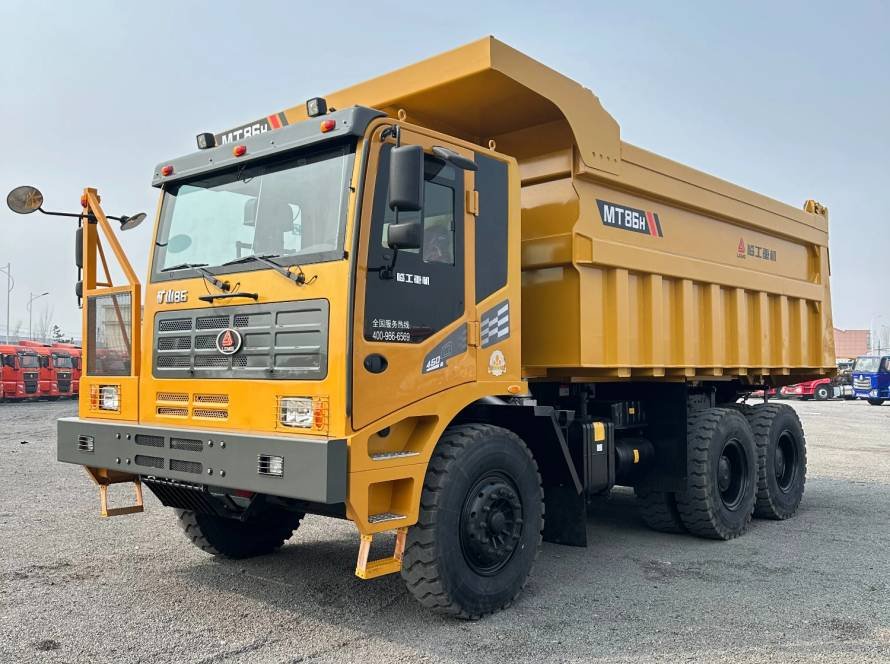
Buying a used mining truck requires more than checking its appearance and asking about its price. Mining vehicles often operate under demanding conditions, including rough haul roads, heavy loads, dust, and repeated loading and unloading cycles. Over time, these conditions can cause wear to mechanical components and structural parts.
For buyers considering used LGMG mining trucks for sale, identifying excessive wear before purchase is essential. A truck that looks acceptable from the outside may have hidden problems that require costly repairs. Knowing where to inspect, what warning signs to look for, and which questions to ask can help buyers make better purchasing decisions.
Examine the Chassis for Structural Damage
The chassis supports the truck’s main structure and experiences repeated stress during mining operations. Cracks, deformation, severe corrosion, or poorly repaired areas may indicate that the vehicle has experienced significant mechanical stress or previous damage.
Inspect the frame carefully, paying particular attention to welds, mounting points, and areas around major structural connections. Fresh paint over a localized area may be harmless, but it can also conceal previous repairs, so buyers should ask for an explanation when the surface condition appears inconsistent.
When inspecting a second hand LGMG mining truck, look for signs of uneven frame alignment and damage that could affect structural integrity. Any suspected crack or major deformation should be assessed by a qualified technician before the vehicle is purchased.
Look for Uneven Tire Wear
Tires can reveal useful information about a mining truck’s operating condition. Uneven tread wear may be associated with incorrect tire pressure, wheel alignment issues, suspension problems, or repeated operation on challenging terrain.
Check each tire for cuts, bulges, exposed internal material, and differences in tread depth. Compare wear patterns across the vehicle rather than judging each tire individually. Severe damage or inconsistent wear may indicate that further inspection of the wheel, axle, or suspension system is necessary.
For buyers comparing used LGMG heavy-duty mining trucks, tire condition should be considered alongside replacement costs and the availability of suitable tires in the intended operating market.
Check for Leaks and Component Deterioration
Fluid leaks are another warning sign that deserves attention. Inspect accessible areas around the engine, transmission, hydraulic components, cooling system, and relevant connections for oil, coolant, or hydraulic fluid leakage.
Look for cracked hoses, damaged seals, loose connections, and signs of overheating. Dried residue may indicate an old leak, while fresh fluid accumulation can suggest an ongoing problem. However, the source and seriousness of a leak should be confirmed rather than judged by appearance alone.
A professional inspection can help determine whether the issue requires a simple repair or points to more extensive component wear. This information is particularly useful when assessing the condition of a used LGMG mining dump truck before committing to a purchase.
Listen to the Engine and Transmission
Abnormal engine noise, excessive vibration, difficult starting, or unstable operation may indicate mechanical problems. During a suitable inspection or controlled test, buyers should observe how the engine starts, idles, and responds to normal operating inputs.
The transmission should also be checked for unusual noises, delayed engagement, or irregular shifting where applicable. Warning lights and fault codes should not be ignored, even if the truck appears to operate normally.
A short test cannot reveal every internal problem. Buyers should review maintenance records and consider a qualified mechanical assessment, especially when the vehicle’s previous service history is incomplete.
Inspect the Dump Body and Hydraulic System
The dump body is exposed to repeated loading, impact, and unloading cycles. Check its floor, side panels, hinges, mounting points, and supporting structure for cracks, severe deformation, corrosion, or repairs.
The hydraulic lifting system also deserves close attention. Look for leaks around cylinders and hoses, damaged connections, and signs of irregular movement. If the truck can be operated safely under appropriate conditions, the lifting and lowering functions should be checked according to the manufacturer’s procedures.
These checks are important because wear to the dump body or hydraulic system may affect safe operation and require additional maintenance after delivery.
Review Service Records and Previous Repairs
Physical inspection should be supported by documentation. Ask for available maintenance records, repair invoices, component replacement details, and information about the truck’s previous working environment.
A history of regular servicing does not guarantee that a vehicle is problem-free, but it can help buyers understand how the truck has been maintained. Conversely, missing records do not automatically mean the vehicle is unsuitable; they simply create more uncertainty and make independent inspection more important.
Rhino Trucks offers used commercial vehicle sourcing options for buyers evaluating heavy-duty equipment. When comparing used LGMG mining trucks for export, buyers should review the available vehicle information, confirm the actual condition, and clarify any identified repairs before arranging shipment.
Conclusion
Identifying excessive wear in used LGMG mining trucks requires a systematic inspection of the chassis, tires, fluid systems, engine, transmission, dump body, and hydraulic components. Maintenance records and professional assessments provide additional information that photographs alone cannot offer.
Before choosing a used LGMG mining truck, buyers should distinguish normal wear from damage that could affect safety, reliability, or repair costs. A careful evaluation helps reduce uncertainty and supports a more informed purchase through a supplier such as Rhino Trucks.