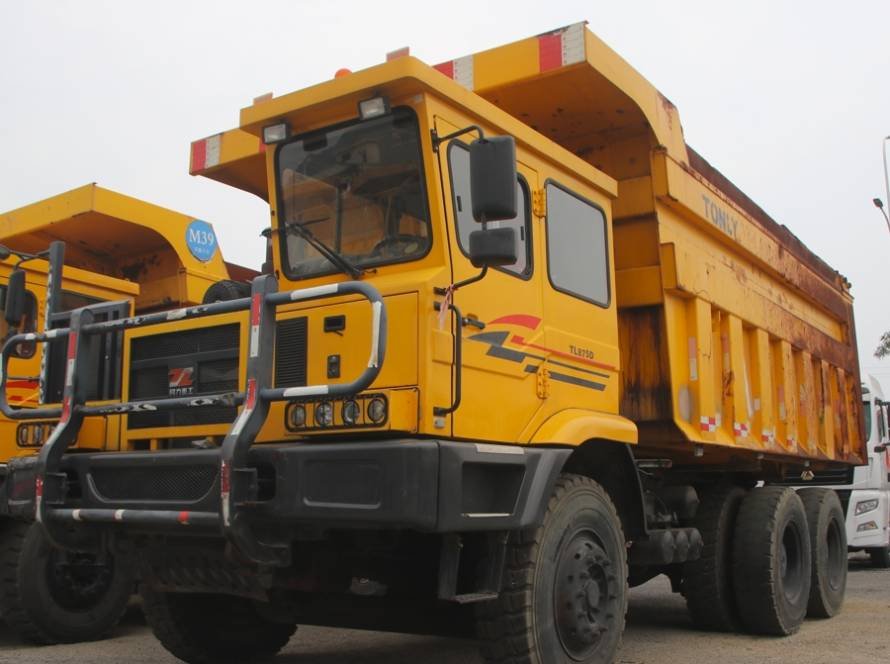
When choosing a used dump truck, many buyers focus on engine power, payload capacity, and vehicle condition. However, the dump body is another important factor that directly affects how the truck performs during daily operations. Its shape, dimensions, material, and unloading structure determine what materials the truck can carry and how efficiently they can be unloaded.
For construction contractors, mining operators, and material transport businesses, understanding dump body design can help them select a used dump truck that better matches their working requirements.
Dump Body Shape Determines Material Compatibility
Different materials require different types of dump bodies. Sand, gravel, soil, crushed stone, and construction debris do not behave in exactly the same way during transportation and unloading.
A standard rectangular dump body is commonly used for general construction materials. It offers a practical loading space for transporting soil, sand, and other bulk materials. For operations involving larger stones or heavy materials, the body structure needs to be suitable for the weight and impact of the load.
The internal shape also affects how materials move when the truck unloads. A body with suitable slopes and angles can help materials slide toward the discharge opening. If the design is not appropriate for the cargo, some materials may remain inside after unloading.
When searching for used dump trucks for sale, buyers should first identify the materials they expect to transport and compare the dump body design with those requirements.
Body Material Affects Durability and Payload
The material used to manufacture a dump body influences its weight, strength, and resistance to wear. Steel is widely used because it can provide the structural strength required for demanding transport applications.
However, not all dump bodies have the same thickness or construction. A heavier body may reduce the available payload under the truck’s rated gross vehicle weight. On the other hand, a body that is not suitable for the transported materials may experience faster wear or damage.
Buyers evaluating a used dump truck should pay attention to the condition of the floor, side panels, welding joints, and reinforcing structures. Signs of severe deformation, corrosion, or previous repairs may indicate that the body needs further inspection.
The goal is to find a balance between structural durability and practical loading capacity.
Dump Body Size Influences Loading and Transport Efficiency
Dump body dimensions affect how much material a truck can carry by volume. This is particularly important when transporting materials with different densities.
For example, loose soil and sand may occupy a large volume without reaching the truck’s maximum weight limit. Heavier materials, such as crushed stone, may reach the allowable payload before the body is completely filled.
A dump body that is too small may require more trips to complete a transport task. An oversized body, however, does not automatically improve productivity because the truck must still operate within its rated payload and legal road limits.
When comparing used heavy-duty dump trucks, buyers should consider body length, width, height, and loading volume together with the truck’s rated payload. The right combination depends on the material and the working environment.
Unloading Design Affects Job-Site Operations
Dump body design also influences how easily materials can be discharged at a construction site, quarry, or other work location.
Rear-discharge dump bodies are commonly used for general material transport. They release materials behind the truck and are suitable for many construction and earthmoving applications.
Other unloading arrangements may be more appropriate for specific working environments. For example, side-discharge designs can be useful where materials need to be placed beside the vehicle rather than directly behind it.
Before purchasing a used dump truck, buyers should consider the available unloading space, ground conditions, and the position where materials need to be deposited. The truck’s unloading arrangement should match the actual job-site layout.
Hydraulic Lifting and Body Structure Must Work Together
A dump body depends on the hydraulic lifting system to raise the body and release its load. The body structure, lifting mechanism, and hydraulic components must work together during unloading.
An unsuitable load distribution or damaged body structure can place additional stress on the lifting system. Buyers should therefore check the hydraulic cylinder, hoses, connections, and lifting operation when evaluating a used dump truck.
It is also important to observe whether the body rises smoothly and remains stable during the lifting process. Any unusual movement, visible leakage, or structural distortion should be investigated before purchase.
A well-matched body and lifting system can help support consistent unloading operations.
Choose a Used Dump Truck Based on Its Actual Application
There is no single dump body design that suits every transport task. A truck used for road construction may have different requirements from one operating in a quarry or handling demolition waste.
Before selecting a vehicle, buyers should consider the materials being transported, average load volume, unloading location, working conditions, and expected daily workload. These details make it easier to compare different used dump truck models and avoid choosing a vehicle that does not fit the intended application.
Rhino Trucks offers used commercial vehicle options for overseas buyers looking for trucks for different business and project needs. If you are searching for used dump trucks for sale, contact Rhino Trucks to discuss your required body type, vehicle configuration, and intended application. The team can help you explore available options and request a quotation based on your purchasing requirements.
Conclusion
Dump body design has a direct influence on the practical performance of used dump trucks. Body shape determines material compatibility, construction material affects durability, dimensions influence loading capacity, and unloading design affects job-site operations.
For buyers, choosing the right dump body is just as important as considering engine and chassis specifications. By matching the body structure to the materials and working conditions, businesses can make a more suitable vehicle selection.
Looking for a used dump truck that fits your operation? Contact Rhino Trucks today to explore available vehicles, discuss your requirements, and request a quotation.